Films & Oral Histories
Documenting the voices and untold stories connected to Campsite One and the Selma to Montgomery Voting Rights March.
The Selma to Montgomery Voting Rights March of 1965 changed the course of American history.
While photographs of the march are widely known, the voices of the people who helped make the march possible—local residents, landowners, organizers, and participants—are often less visible.
The Campsite One Film and Oral History Project preserves these stories through documentary film production and recorded interviews with individuals connected to the historic march.
Through this project, the David and Channie Hall Foundation is building an archive of voices that help illuminate the human experiences behind one of the most important moments of the Civil Rights Movement.
A documentary film currently in development explores the untold story of the ground crew of the Civil Rights Movement—the volunteers, organizers, and community members who helped make the Selma to Montgomery march possible.
While national leaders guided the movement, the success of the march depended on the support of local communities who provided food, shelter, transportation, and land where participants could safely camp each night.
One of these locations was Campsite One, located on the historic Hall family farm in Dallas County, Alabama.
The documentary highlights the role of the Hall family and other local landowners whose courage and generosity made it possible for marchers to continue their journey toward Montgomery.
Through archival footage and newly recorded interviews, the film explores how the events of 1965 continue to shape conversations about voting rights and civic participation today.
Documentary Film Project
Oral History Archive
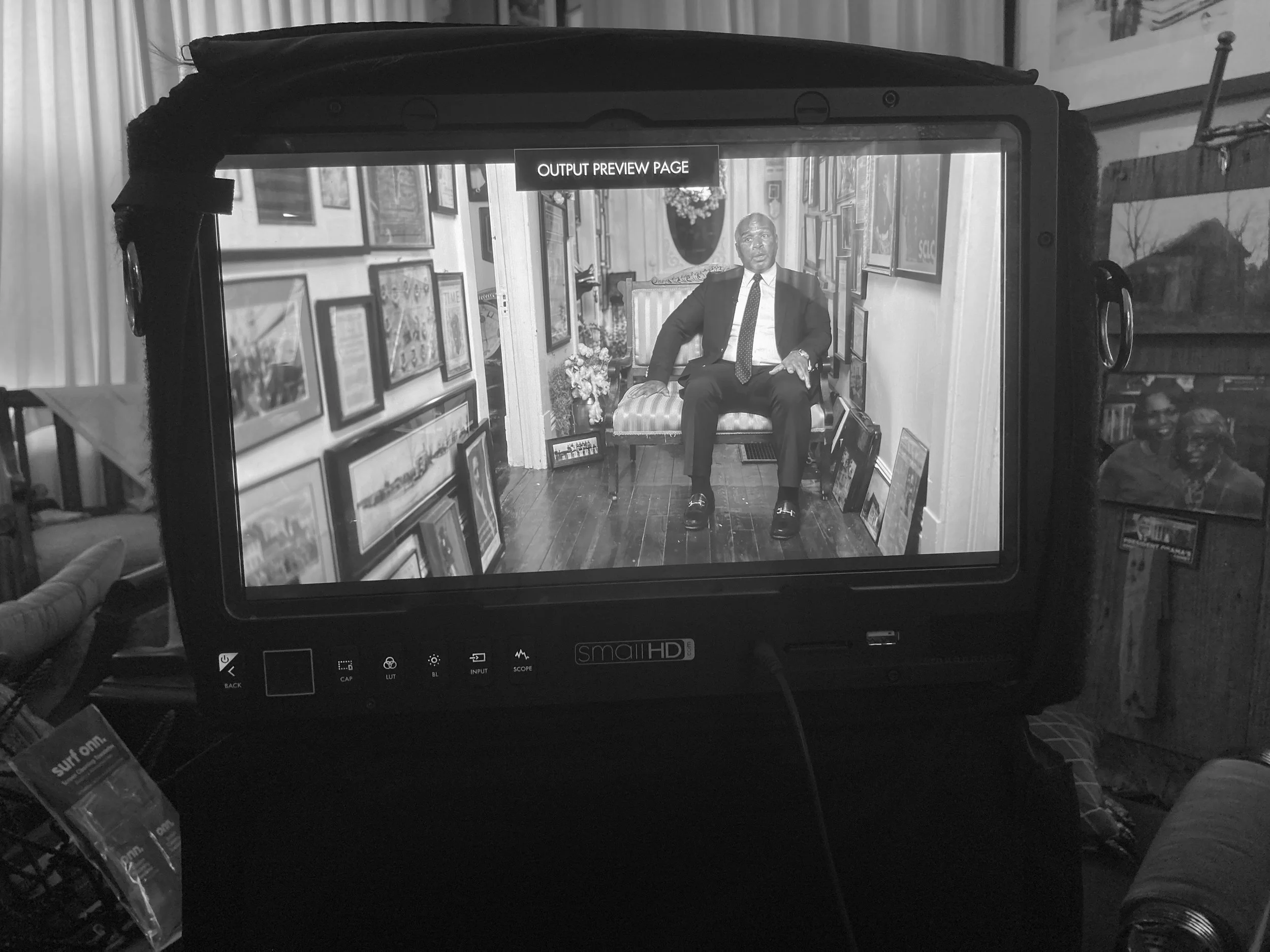
The Campsite One Oral History Project documents the experiences of individuals who participated in or supported the Selma to Montgomery march.
These recorded interviews capture personal memories, reflections, and historical insights that help deepen our understanding of the Voting Rights Movement.
The oral history archive will form an important part of the future Hall Heritage Center at Campsite One, where visitors will be able to hear directly from the people who witnessed these events.
The archive will include:
• video interviews
• audio recordings
• transcripts
• documentary footage
These materials will help ensure that the voices of those who helped shape this moment in history are preserved for future generations.
