The Hall Heritage Center at Campsite One
A new destination for civil rights education, preservation, and community engagement.
The Hall Heritage Center at Campsite One will serve as a national destination dedicated to preserving the history of the Selma to Montgomery Voting Rights March and honoring the legacy of David Hall, the Black landowner whose property became the first campsite of the historic march in March 1965.
Located along the Selma to Montgomery National Historic Trail, the center will provide a place where visitors, students, and scholars can explore the history of the Civil Rights Movement and its continuing relevance today.
Through exhibitions, educational programming, community events, and research initiatives, the Hall Heritage Center will bring the story of Campsite One to life.
Campsite One, on the Hall Family Farm in Selma, Alabama, was the first campsite of the 1965 Selma to Montgomery Voting Rights March. Here, marchers rested before continuing their journey toward justice.
Today, the land remains — a living landscape of courage, sacrifice, and hope.
A Place Where History Stood Still
A Vision Rooted in History
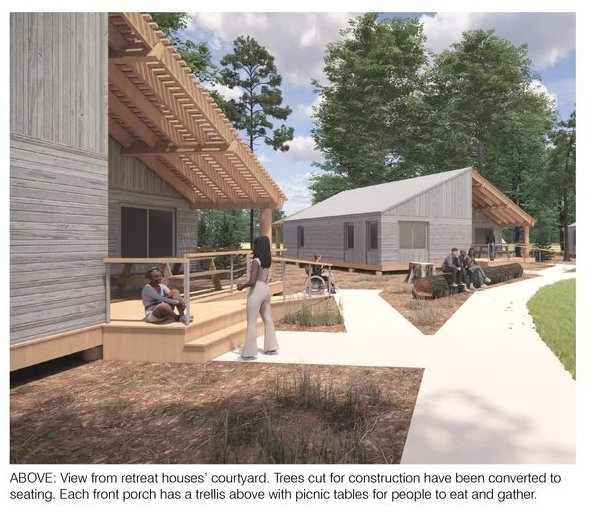
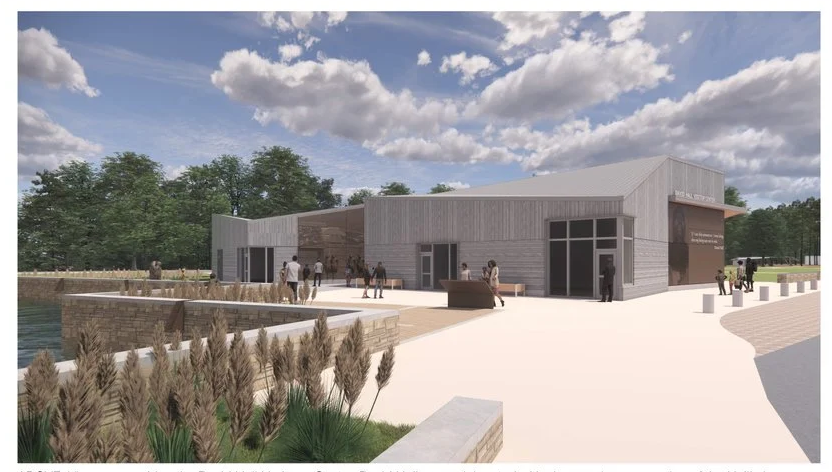
The center will be built directly on land historically associated with the Selma to Montgomery march, allowing visitors to experience history within the landscape where it occurred. This project represents a powerful opportunity to preserve an important chapter of American history while creating a place of reflection, education, and dialogue.
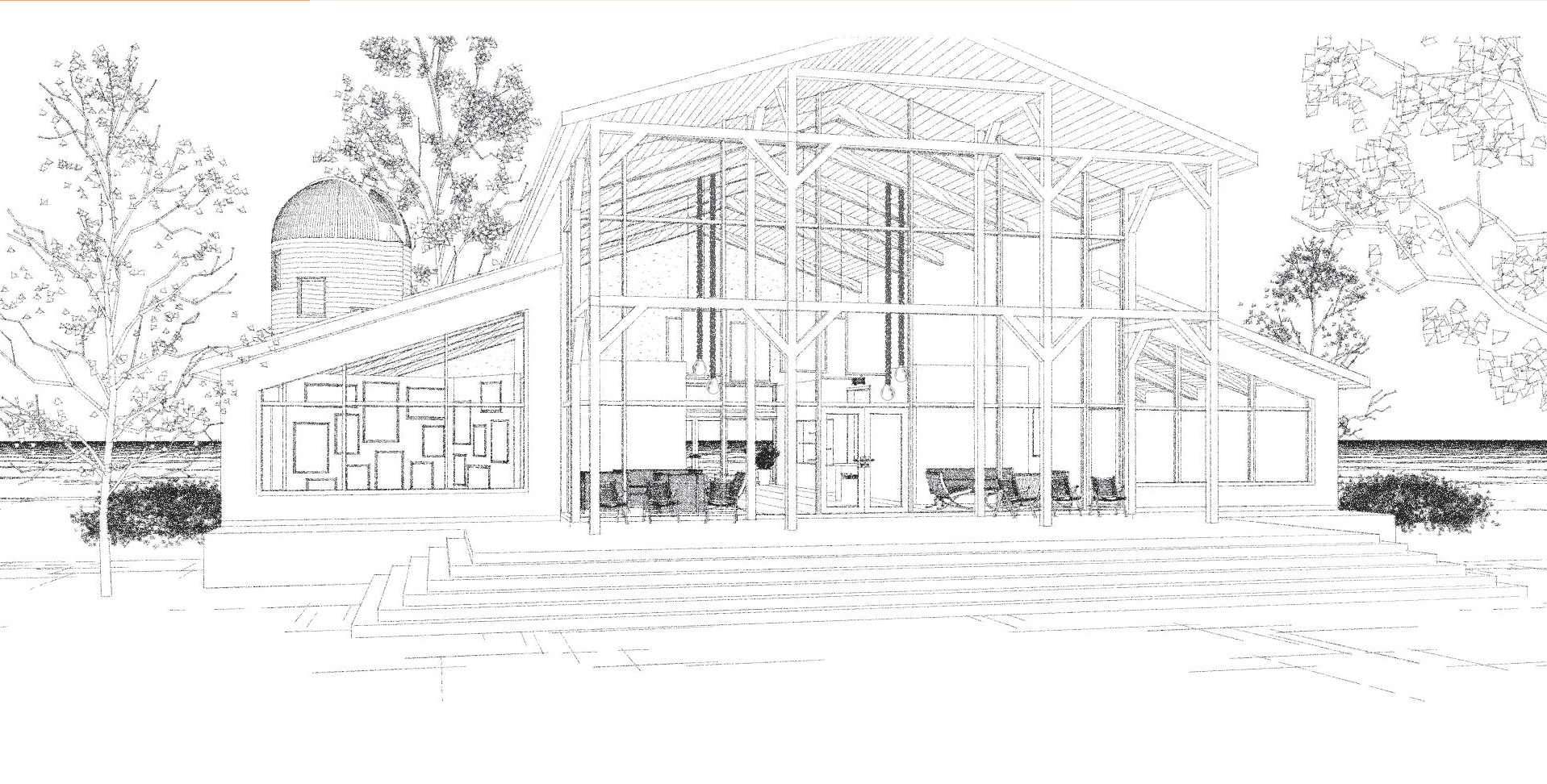
The Hall Barn reimagined
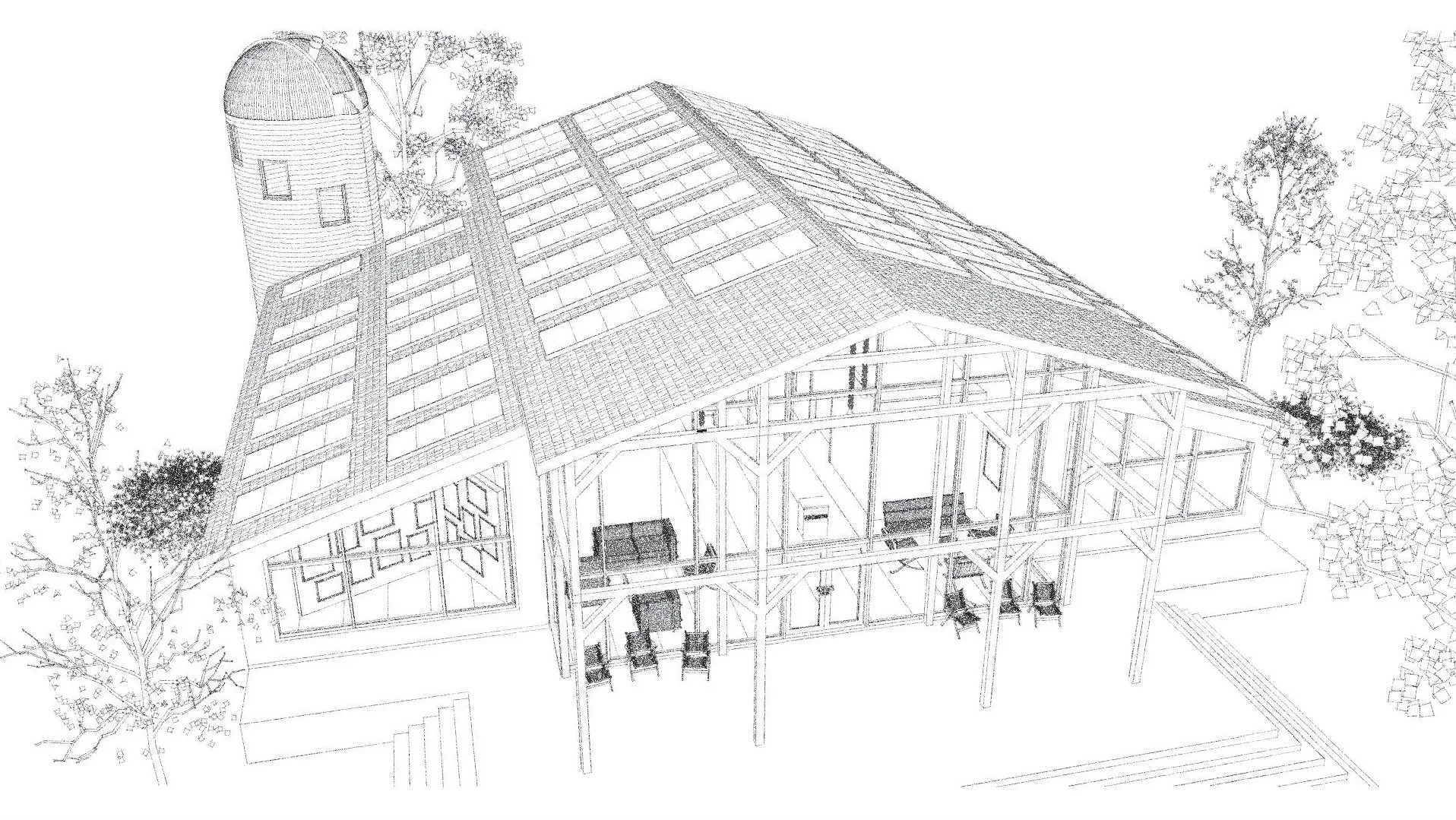
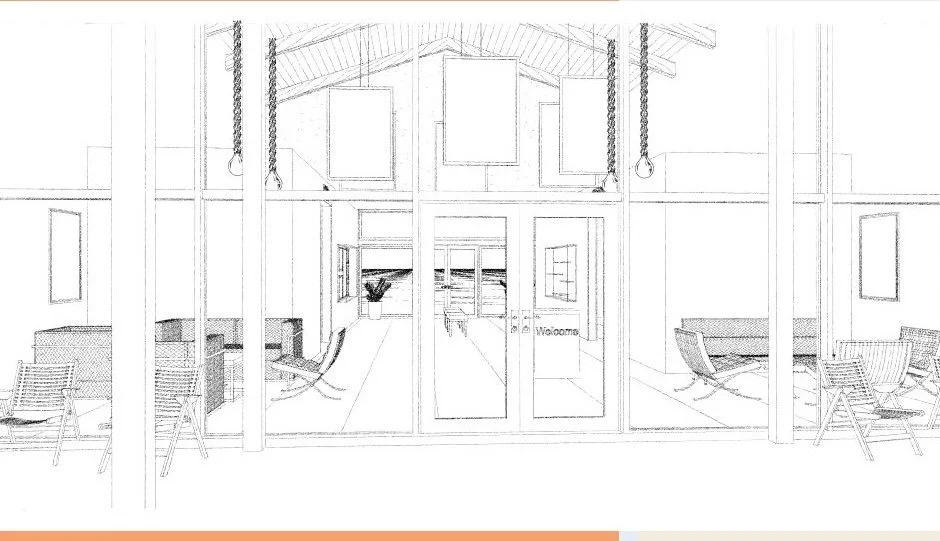
The Hall Heritage Center is envisioned as a dynamic interpretive space that connects past and present. The architecture draws inspiration from the agricultural structures that once stood on the Hall family farm while incorporating modern design to create an open, welcoming environment for visitors.
Inside the Heritage Center
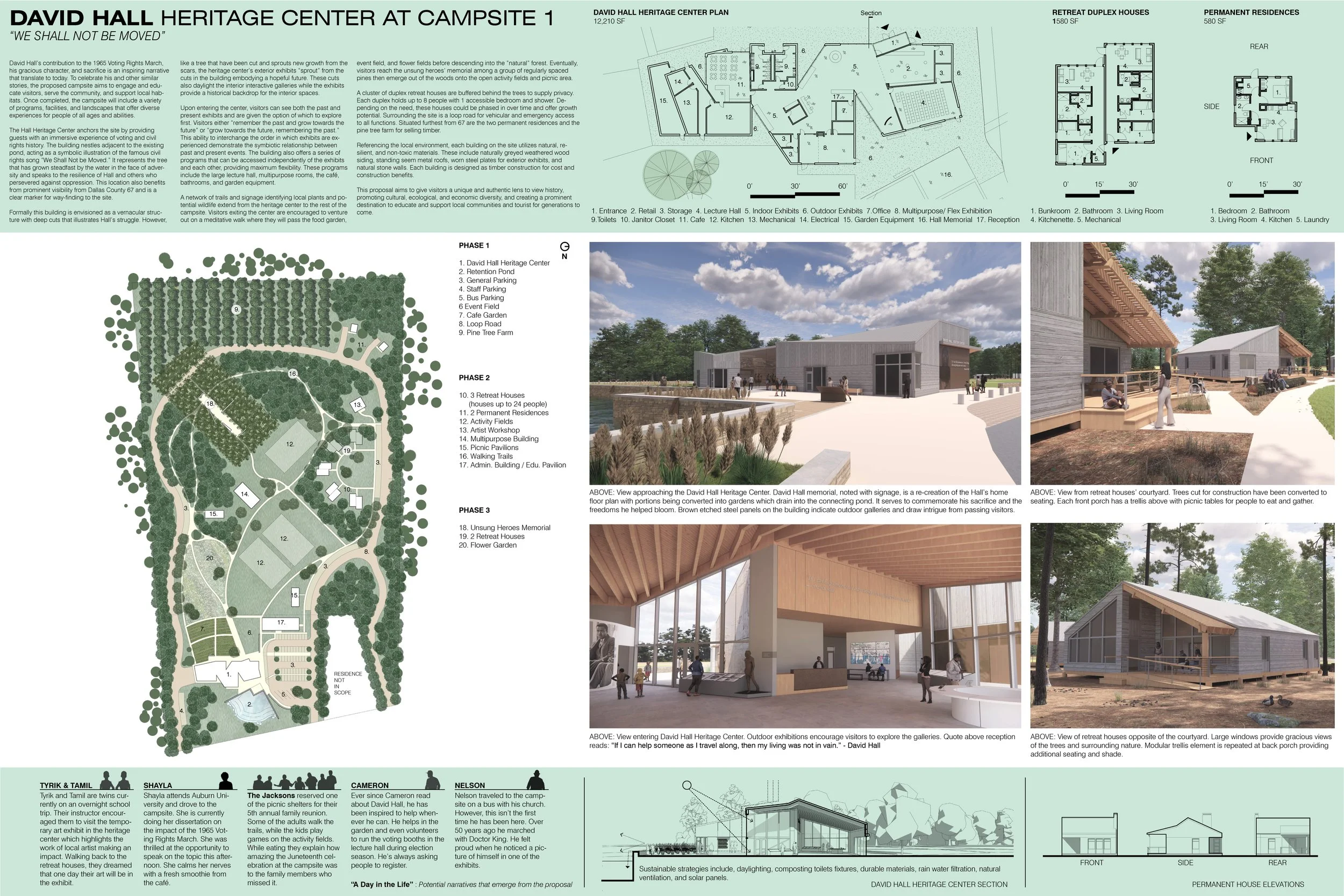
The Hall Heritage Center will feature a series of interactive and educational spaces designed to immerse visitors in the story of the Selma to Montgomery march. Planned features include:
• Permanent Exhibition Gallery
Exhibits will explore the history of the Selma voting rights movement, the five-day march to Montgomery, and the role of local citizens who supported the movement.
• Interpretive Displays
Multimedia installations will present archival photographs, oral histories, documentary film, and historical artifacts connected to the civil rights movement.
• Educational Learning Space
Classrooms and workshop areas will host school groups, university programs, and community discussions focused on civil rights history and civic engagement.
• Reflection and Gathering Areas
Open spaces will allow visitors to reflect on the significance of the site and its place within the broader American story.
The Campsite Landscape
Every decision we make is shaped by a clear sense of purpose. Our journey has been anything but ordinary. Through every step, we've focused on staying true to our values and making space for thoughtful, lasting work. What began as a passion project has evolved into something more. We’re proud of where we’ve been and even more excited for what’s ahead.
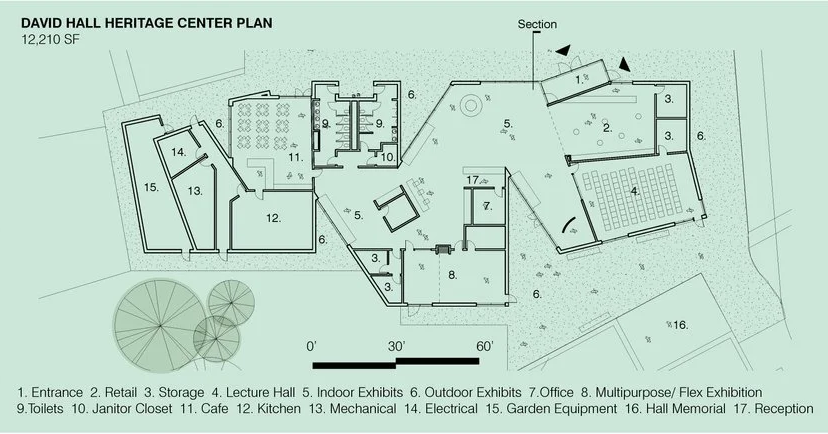
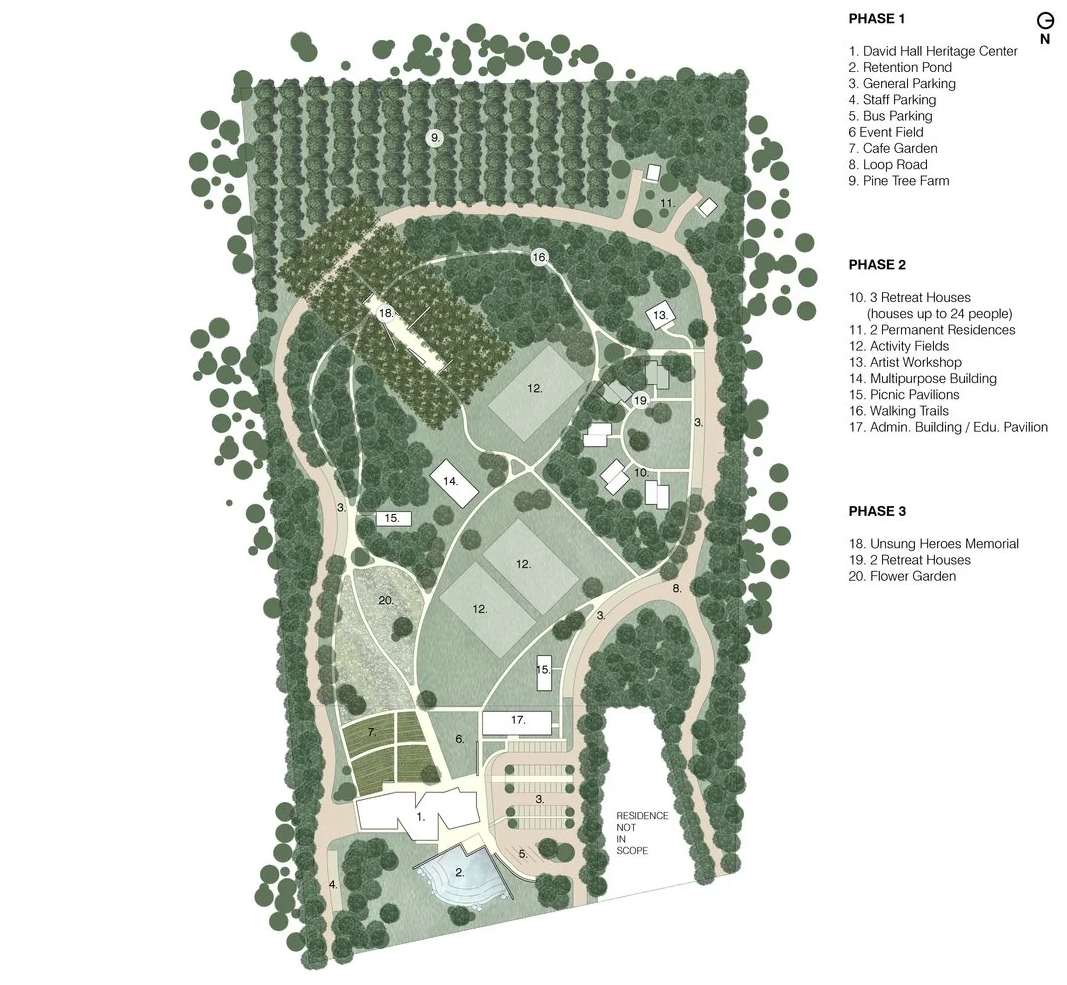
Beyond the building itself, the Hall Heritage Center will preserve the surrounding landscape that served as Campsite One during the Selma to Montgomery march.
Interpretive pathways and outdoor installations will guide visitors through the property, helping them understand how the marchers experienced the site in 1965.
Outdoor features may include:
Walking trails along the historic route
Interpretive signage and historical markers
Gathering spaces for commemorative events
Areas for reflection and educational programming
By preserving the physical environment of Campsite One, the site will offer visitors a rare opportunity to experience civil rights history in the place where it unfolded.
A Place for Community
The Hall Heritage Center will serve not only as a historical site but also as a gathering place for community engagement.
Public events, commemorations, cultural programming, and educational forums will bring people together to reflect on the past and explore pathways toward a more just future.
Through collaboration with local residents, scholars, artists, and civic leaders, the center aims to foster dialogue and connection while honoring the courage of those who helped advance voting rights.