The History of Campsite One
In the spring of 1965, thousands of Americans marched from Selma to Montgomery, Alabama, demanding the protection of Black voting rights. The historic journey helped lead directly to passage of the Voting Rights Act of 1965, one of the most consequential civil rights laws in United States history.
On the first night of the march, civil rights leaders and participants rested on land owned by David Hall, a Black farmer whose property became known as Campsite One.
Today, the Hall family continues to preserve this land and its story as part of the Selma to Montgomery National Historic Trail.
The Fight for Voting Rights
By the early 1960s, Black citizens across the American South faced enormous barriers when attempting to vote. Literacy tests, poll taxes, intimidation, and violence were commonly used to prevent African Americans from registering and participating in elections.
In Selma, Alabama, civil rights organizers—including leaders from the Student Nonviolent Coordinating Committee (SNCC) and the Southern Christian Leadership Conference (SCLC)—began a sustained campaign to secure voting rights.
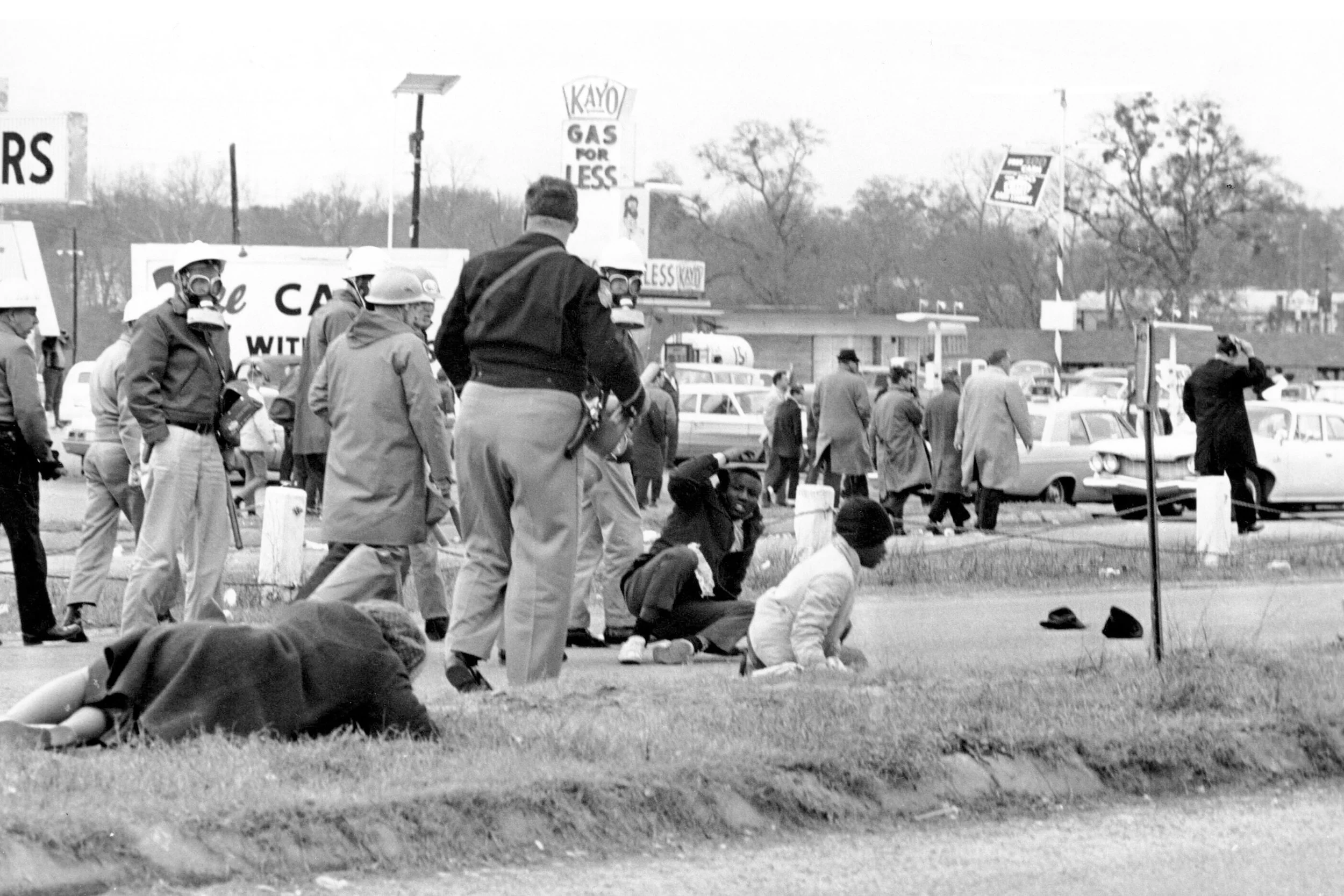
On March 7, 1965, hundreds of demonstrators attempted to march from Selma to the state capital in Montgomery. As they crossed the Edmund Pettus Bridge, Alabama state troopers and local law enforcement attacked the peaceful marchers with clubs, tear gas, and whips.
The brutal assault, later known as “Bloody Sunday,” shocked the nation when television broadcasts showed the violence to millions of Americans.
Within days, the movement gained national attention and support.
A 54-Mile Journey for Justice
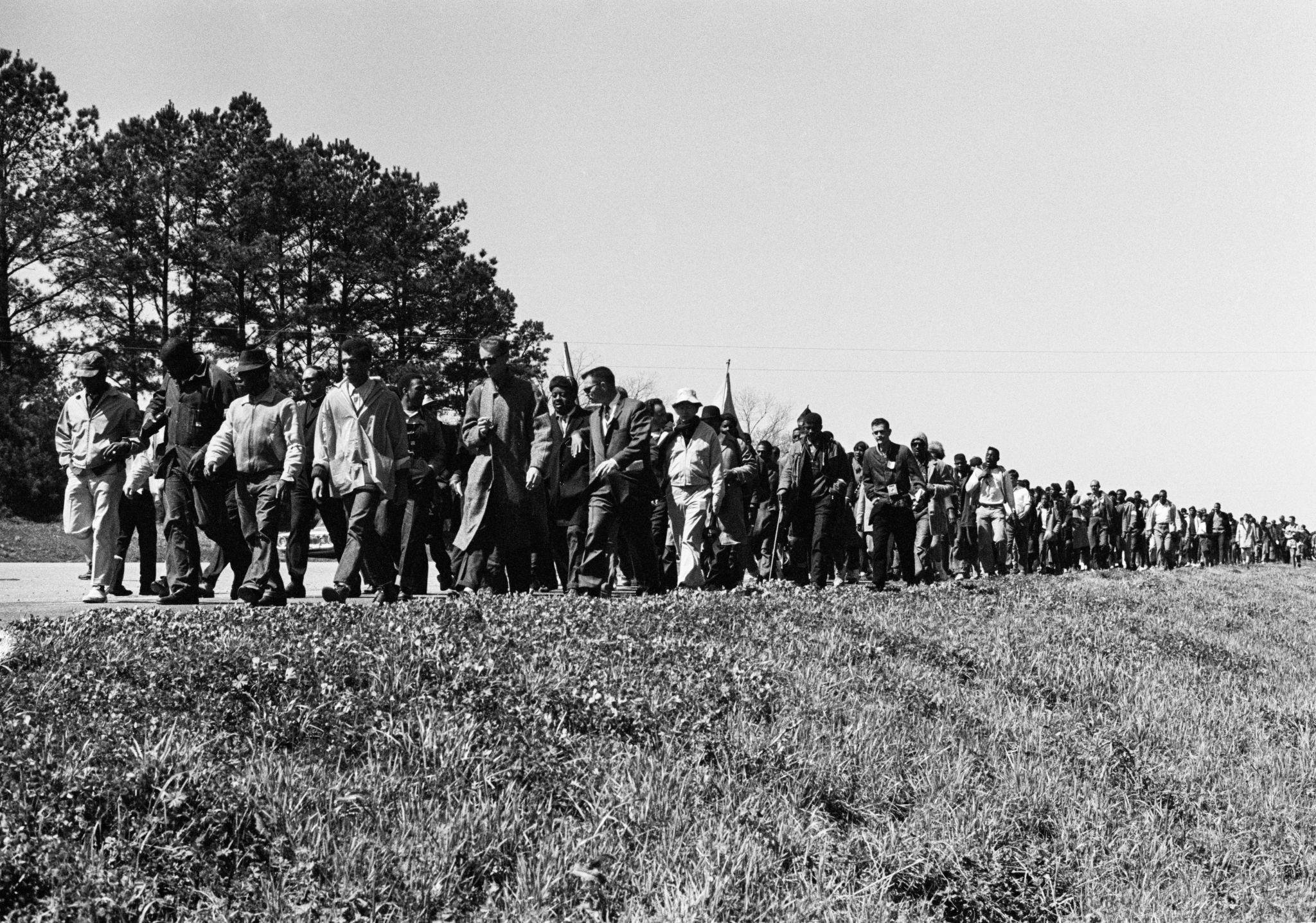
After federal court approval, the Selma to Montgomery march officially began on March 21, 1965.
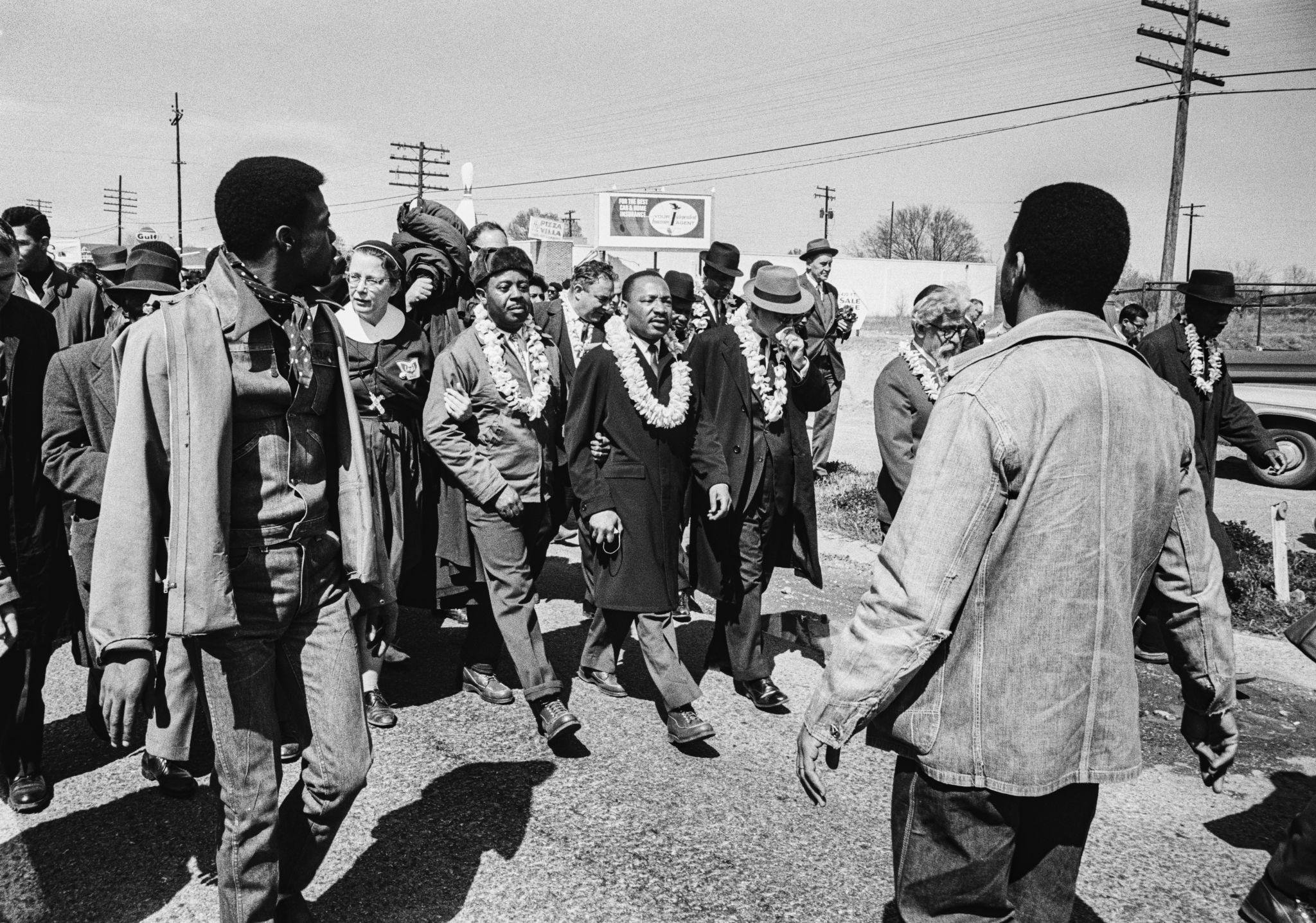
Led by Dr. Martin Luther King Jr., Ralph Abernathy, and other civil rights leaders, thousands of participants began walking along U.S. Highway 80, determined to reach the Alabama State Capitol.
The journey would take five days and cover approximately 54 miles.
Because the march stretched across rural Alabama, organizers had to plan safe places where marchers could rest each night.
Supporters across the region stepped forward to offer land where participants could camp.
One of the most important of these locations was the farm owned by David Hall in Dallas County.
The First Night of the March
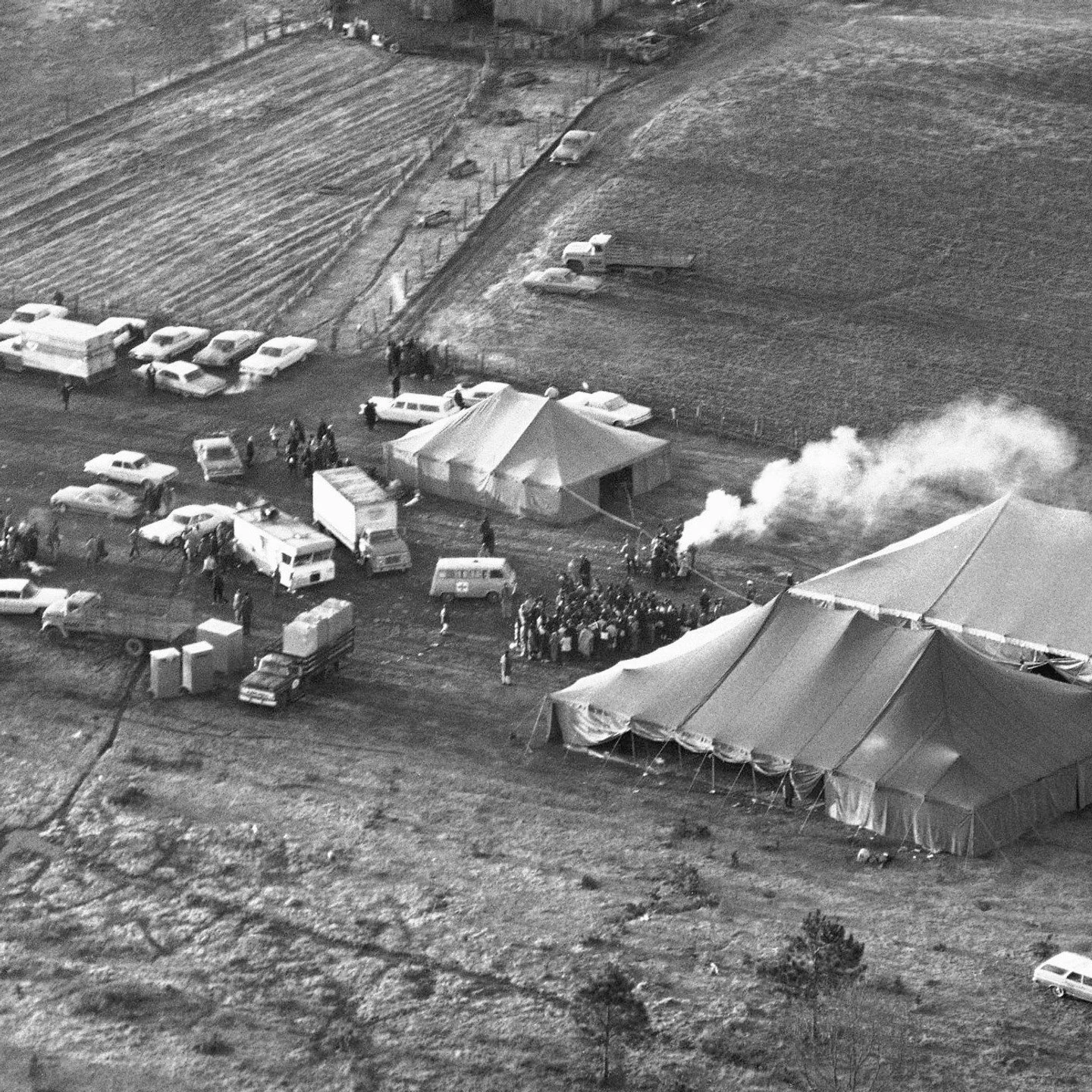
On the evening of March 21, 1965, the marchers arrived at the property of David Hall, a Black farmer whose land was located along the route between Selma and Montgomery.
Hall purchased the land decades earlier and built a successful farm there. When civil rights leaders needed a safe place for marchers to rest, Hall agreed to allow them to camp on his 80-acre property.
Hundreds of participants gathered in the fields, where large tents were erected, and volunteers distributed food, blankets, and supplies.
The site soon became known as Campsite One. For many marchers, the first night on the Hall property represented both relief and determination. The journey to Montgomery had only just begun.
The Cost of Standing Up
Supporting the civil rights movement in the Deep South carried enormous risks.
For David Hall and his family, allowing marchers to camp on their land came with serious consequences.
During this period, many Black citizens who supported the movement faced threats, intimidation, economic retaliation, and violence.
Historical accounts describe how Hall and his family experienced hostility from local institutions and individuals opposed to the movement.
Despite these challenges, the Hall family continued to maintain their land and preserve the history of what had occurred there.
Their courage helped make the Selma to Montgomery march possible.
From Selma to the Voting Rights Act
The Selma to Montgomery march transformed the national conversation about voting rights. Images of the violence in Selma and the determination of the marchers drew widespread support across the country.
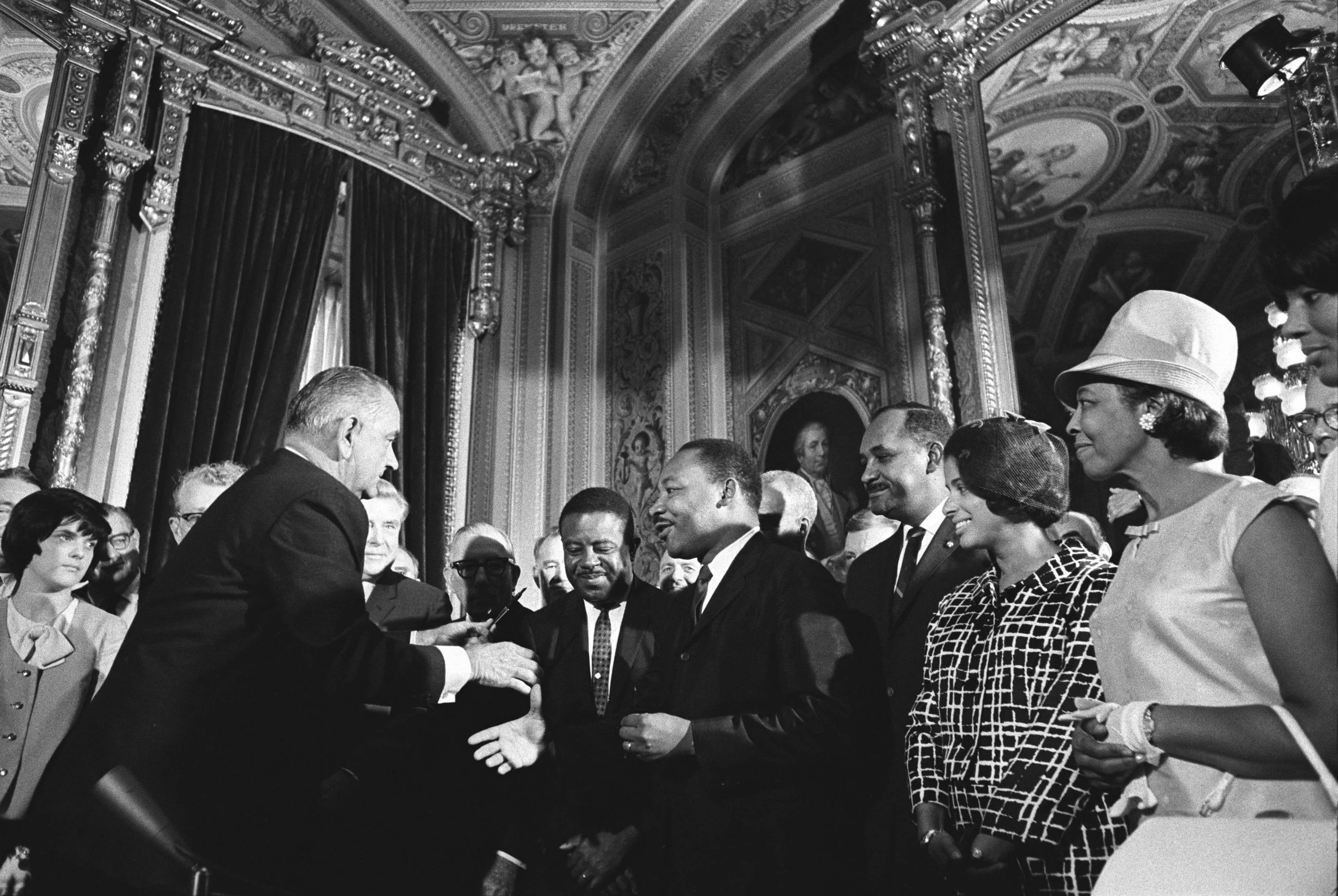
On August 6, 1965, President Lyndon B. Johnson signed the Voting Rights Act of 1965 into law. The legislation prohibited discriminatory voting practices and authorized federal oversight of voter registration in areas with histories of voter suppression. The march—and the courage of those who supported it—played a decisive role in achieving this landmark legislation.
Honoring the Legacy Today
Today, the land once owned by David Hall remains an important historical site connected to the Selma to Montgomery march.
Recognized as part of the Selma to Montgomery National Historic Trail, the location represents a crucial moment in the struggle for civil rights.
Members of the Hall family and community supporters have worked to preserve the property and its history for future generations.
Plans for the Hall Heritage Center at Campsite One aim to create a place where visitors can learn about the march, the role of local citizens like David Hall, and the ongoing importance of protecting voting rights.
Why This History Matters
The Selma to Montgomery march reminds us that ordinary citizens can play extraordinary roles in shaping history.
The courage of marchers, organizers, and local supporters—including landowners like David Hall—helped bring about lasting change in American democracy.
Preserving sites like Campsite One ensures that the story of the movement remains visible, accessible, and relevant for generations to come.