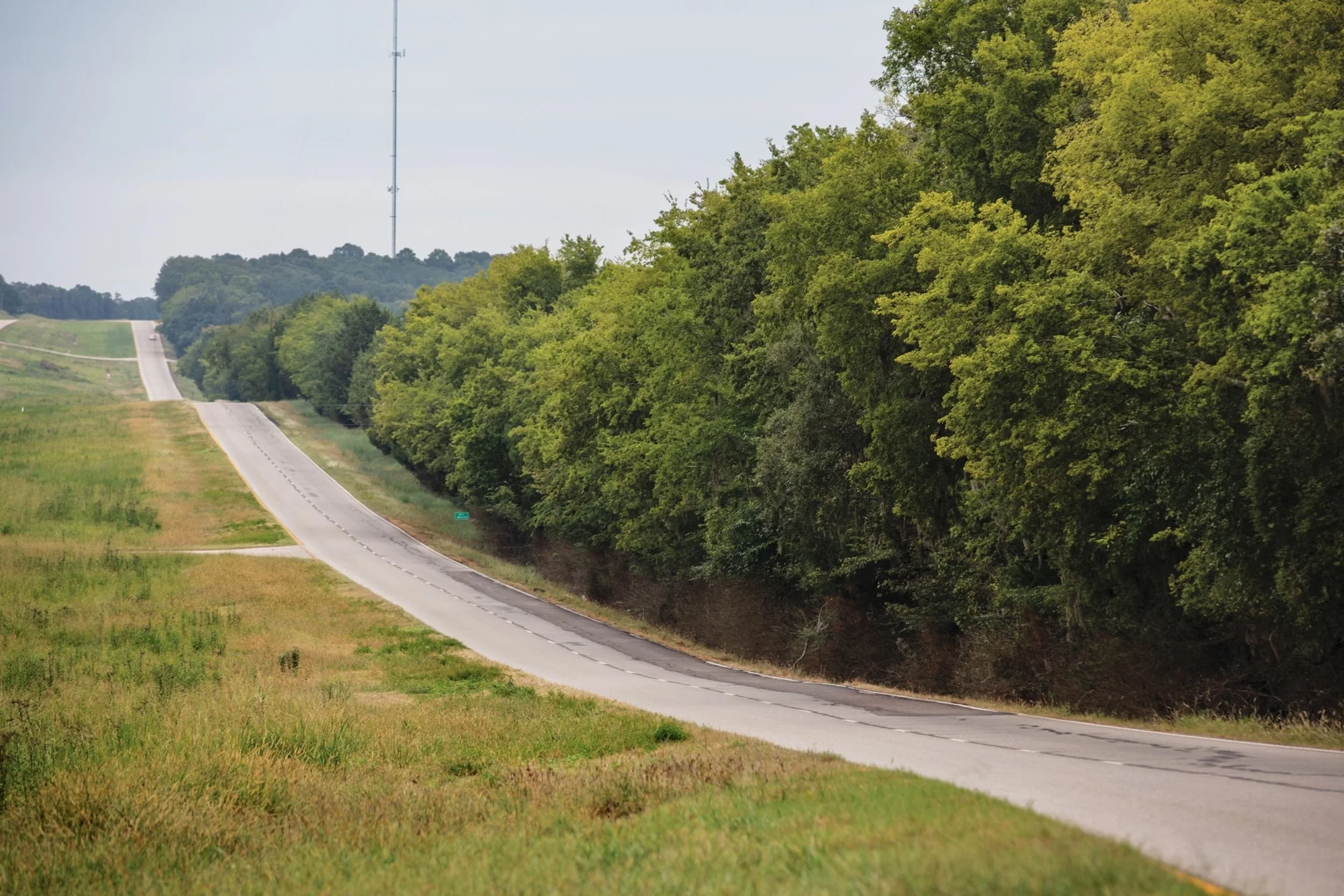
Preserving Campsite One
Protecting a historic landscape of the Selma to Montgomery Voting Rights March.
Campsite One, located on the historic Hall family farm in Dallas County, Alabama, marks the first campsite of the Selma to Montgomery Voting Rights March in March 1965.
On the evening of March 21, 1965, hundreds of marchers rested on the land of David Hall, a Black farmer whose property provided the first safe campsite on the historic five-day journey to Montgomery.
Today, the David and Channie Hall Foundation works to preserve this historic landscape, document the story of the Selma march, and develop the future Hall Heritage Center at Campsite One.
The Historic Landscape
The Hall family farm occupies a unique place in the history of the Civil Rights Movement.
As marchers traveled the 54-mile route from Selma to Montgomery in 1965, they relied on local landowners who provided safe places where participants could camp each night.
David Hall’s property became the first campsite of the march, allowing hundreds of participants to rest before continuing their journey toward the Alabama State Capitol.
Without the support of local citizens who provided land for campsites, the Selma march would have been far more difficult to sustain.
Preserving Campsite One ensures that the contributions of these local participants—often overlooked in traditional histories of the movement—remain visible.
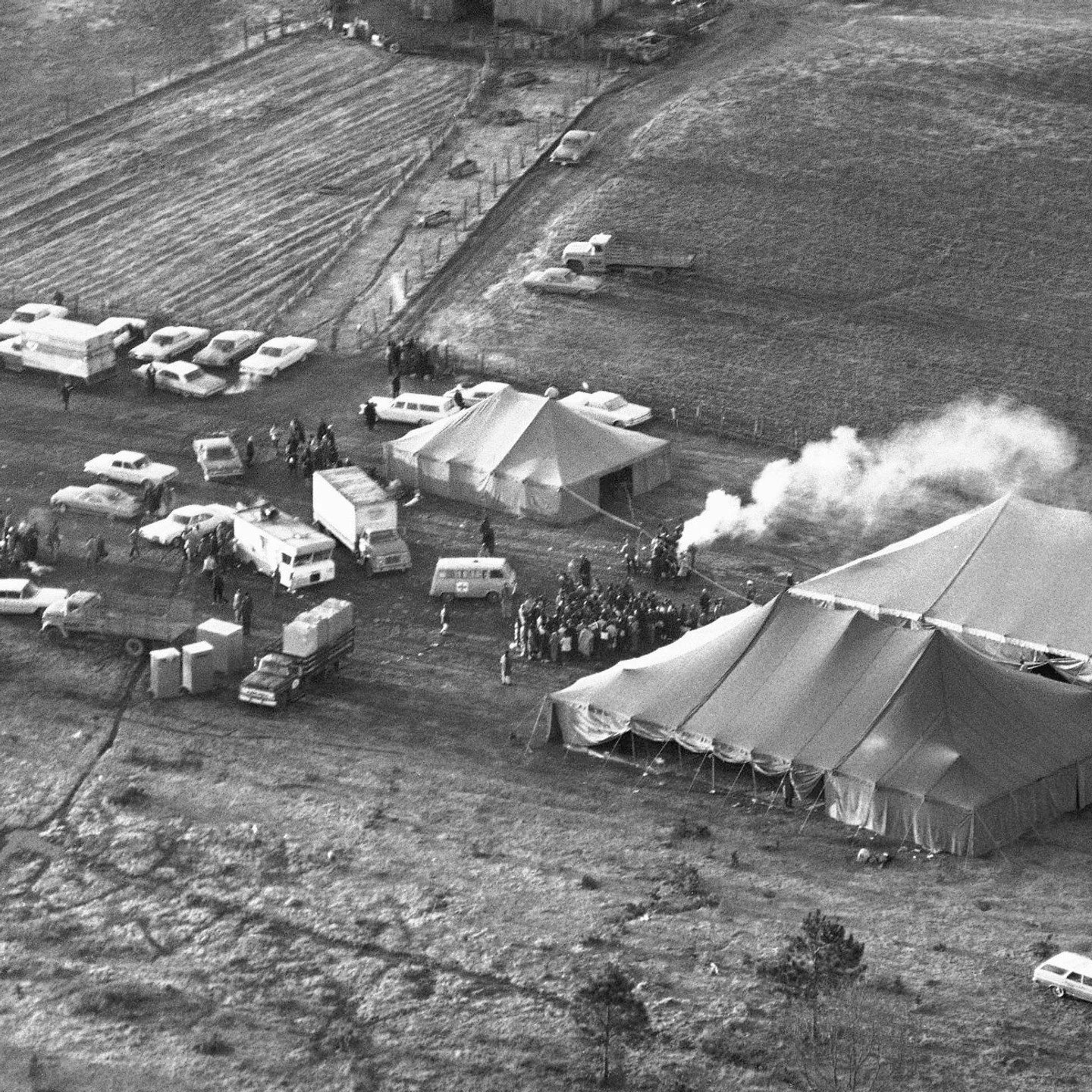
The preservation of Campsite One is the result of decades of stewardship by the Hall family.
After the death of David Hall, his daughter Susie Anna Hall-Stover devoted much of her life to protecting the historic property and preserving its connection to the Selma to Montgomery march.
During this period, the family land faced significant legal challenges that threatened the Hall family’s ownership of the farm.
Susie Hall-Stover led the effort to defend the property through the courts, ultimately pursuing the case to the Alabama Supreme Court in order to secure the family’s rightful ownership.
Through persistence and determination, the Hall family successfully preserved the land that played such a critical role in the history of the Voting Rights Movement.
Their efforts ensured that Campsite One remained intact and could be preserved for future generations.
A Legacy Protected Across Generations

Major Preservation Milestones
The preservation of Campsite One has advanced significantly through the work of the David and Channie Hall Foundation and its partners.
01
Establishment of the David and Channie Hall Foundation
The nonprofit David and Channie Hall Foundation was established to guide the preservation of Campsite One and oversee development of the Hall Heritage Center.
02 Environmental Restoration
A USDA grant to plant a longleaf pine tree farm. Certification of the property as a Tree Farm through the American Tree Farm System. These efforts restore an important ecosystem within Alabama’s Black Belt region.
03
Archaeological and Topographical Survey
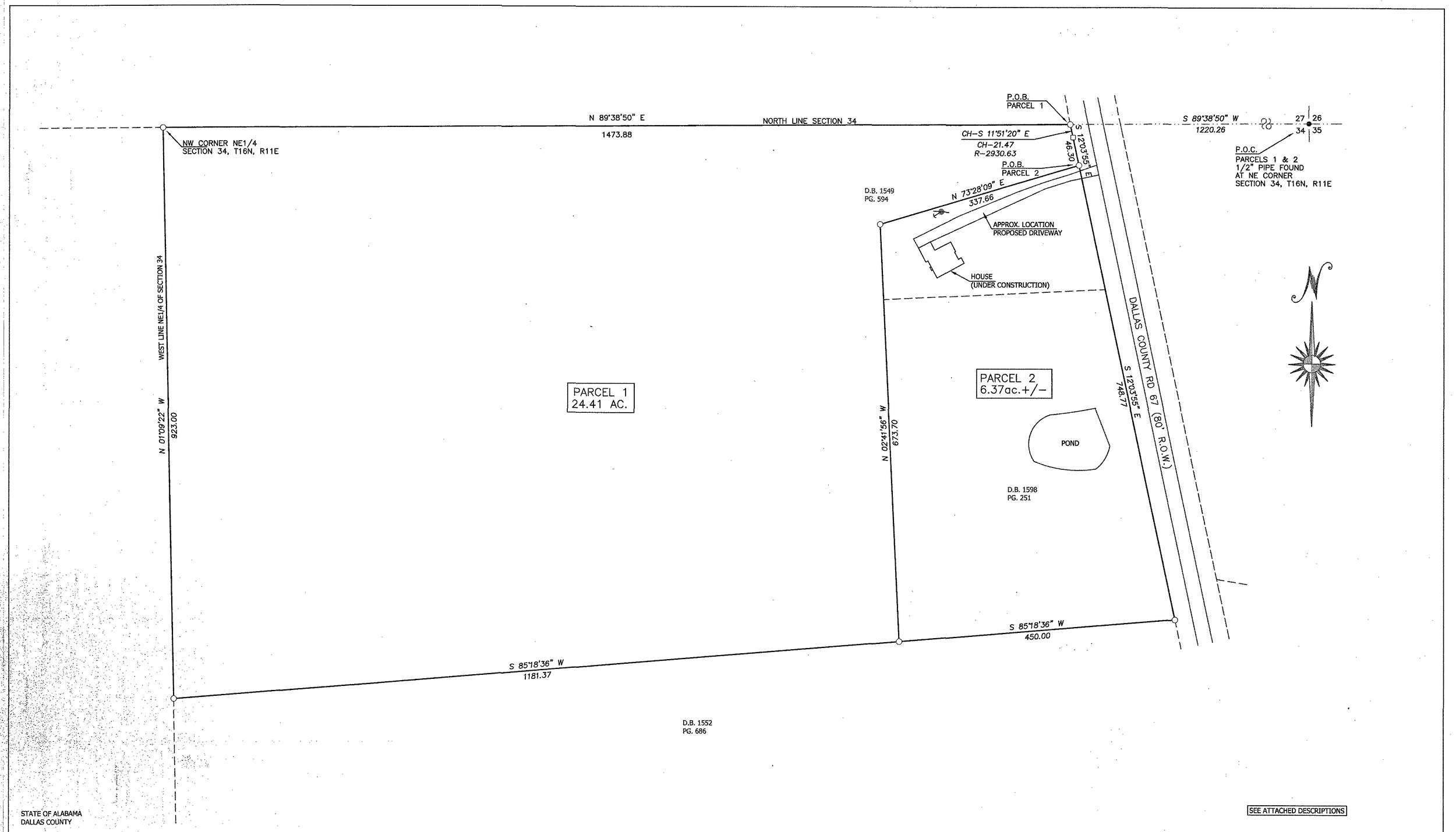
Professional topographical and archaeological surveys have been conducted on the property to document the landscape and identify areas connected to the historic Selma march campsite.
These studies provide important baseline information that guides preservation planning, future interpretation of the site, and the responsible development of the Hall Heritage Center.
04
Historic Recognition
The Hall family property was listed on the Alabama Register of Landmarks and Heritage in 2021, formally recognizing the site’s role in the Selma to Montgomery Voting Rights March.
05
Architectural Vision
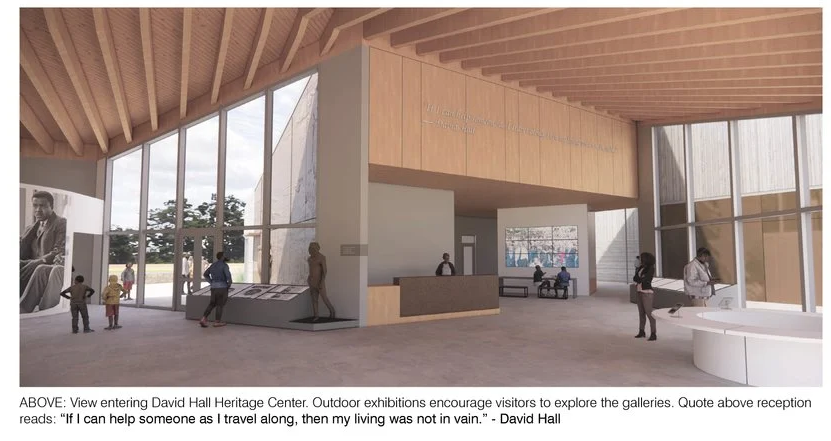
An international architectural design competition was launched to develop a vision for the Hall Heritage Center.
The competition generated forward-thinking architectural proposals for a museum and interpretive center designed to connect visitors with the history of Campsite One.
06
Documentary Film
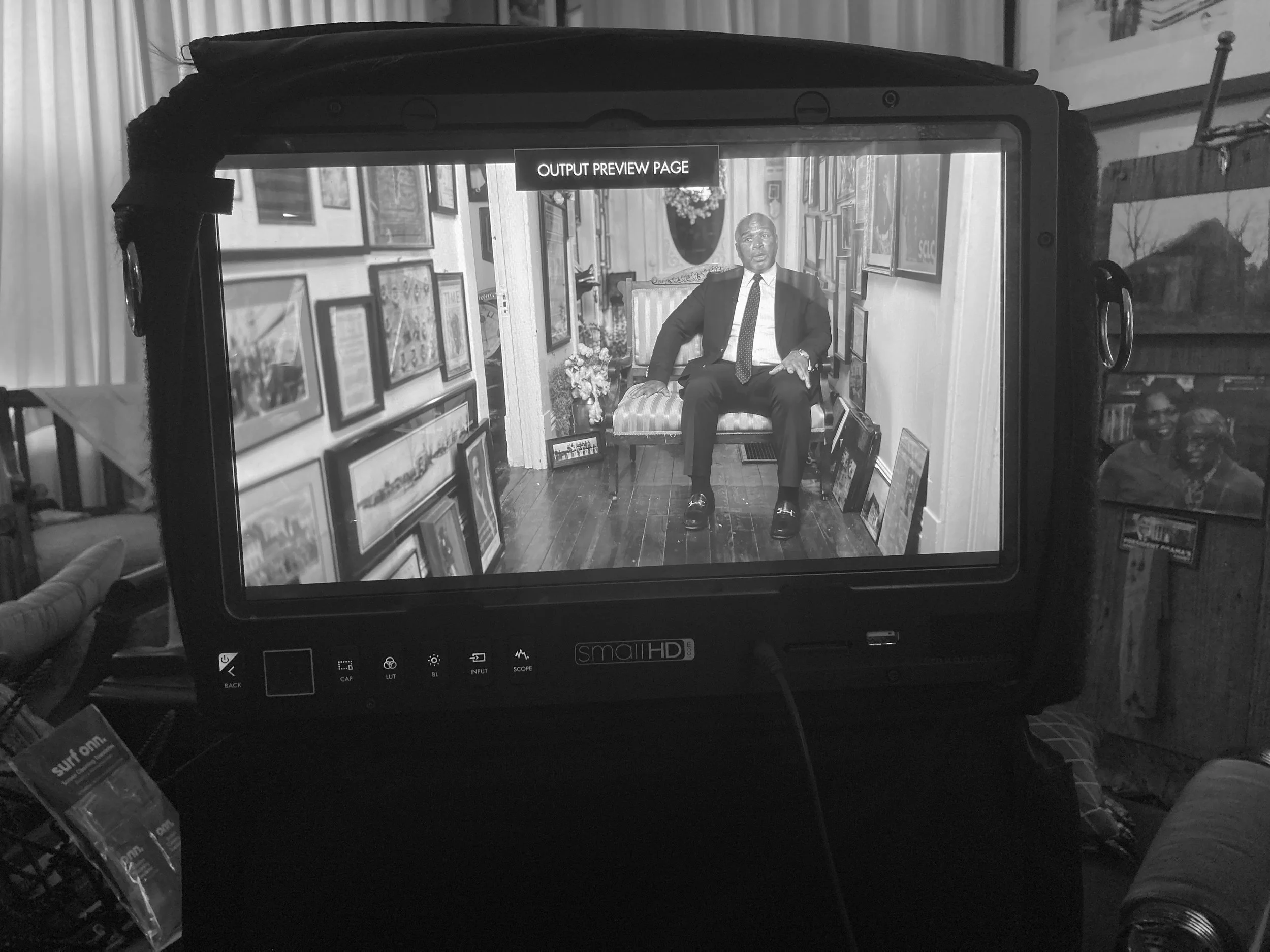
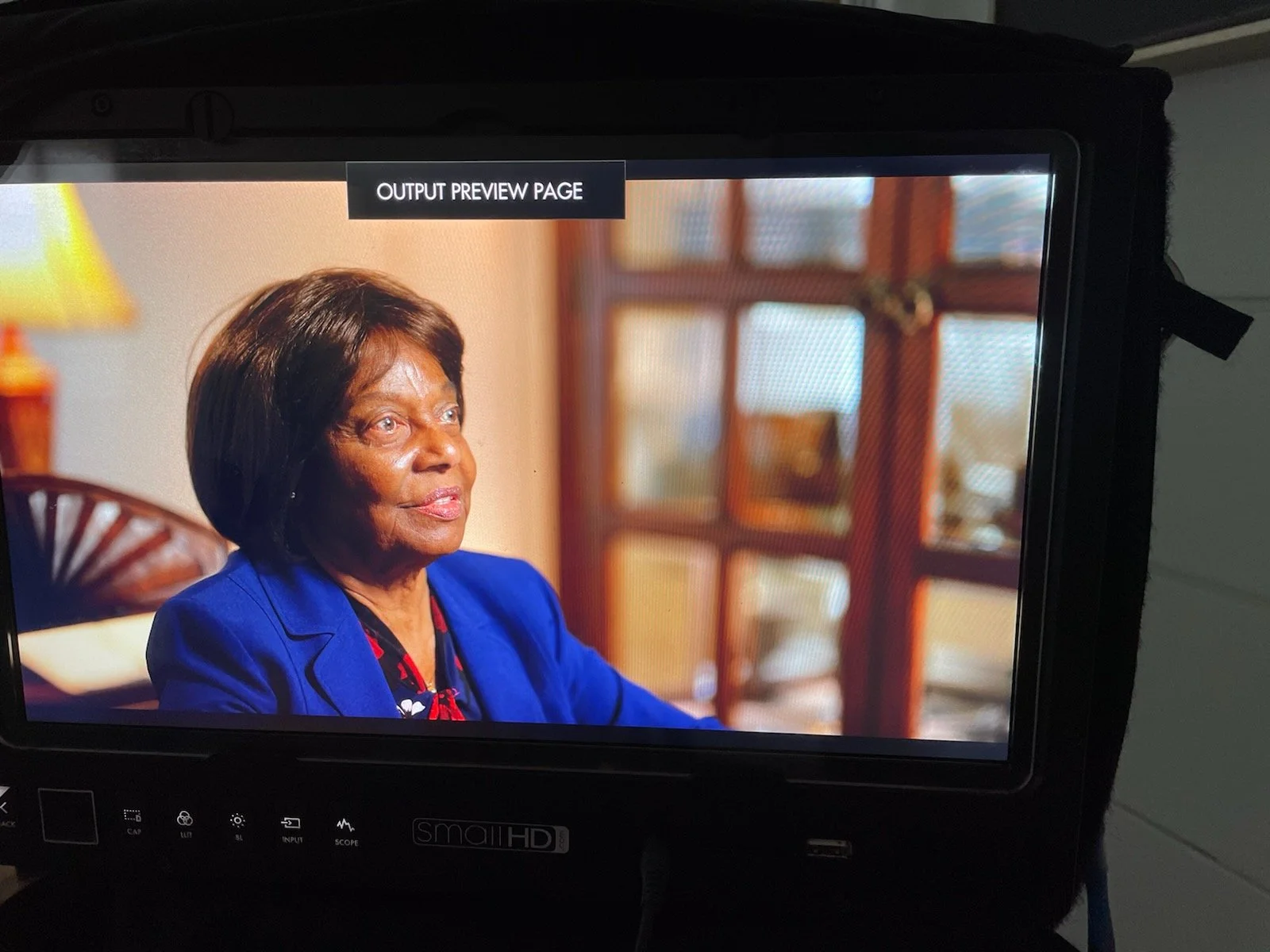
A documentary currently in production explores the role of the “ground crew” of the Civil Rights Movement, including the Black landowners who offered their land as campsites during the Selma march.
The film highlights the often-overlooked contributions of local communities to the success of the Voting Rights Movement.
07
Restoration of the Hall Family Farm
The property has been restored to its designation as an operating farm through the United States Department of Agriculture (USDA), reconnecting the land to its agricultural heritage.
08
Visitor Lodging
The first visitor lodging facility has been completed.
The reimagined Hall family farmhouse, allows visitors, scholars, and collaborators to stay on the historic property.
A Long-Term Preservation Strategy
The preservation and development of Campsite One will continue through a phased strategy.
Phase 01
Historical Documentation and Site Protection
• Historical research and documentation
• Oral history collection
• Archaeological and landscape surveys
• Preservation of the historic farm property
Phase 02
Interpretive Landscape Development
• Interpretive signage and historical markers
• Walking paths through the historic campsite landscape
• Outdoor educational exhibits
Phase 03
The Hall Heritage Center
Construction of the Hall Heritage Center will create a permanent location for:
• exhibitions
• research archives
• educational programs
• community engagement
Protecting the Landscape
Preservation of Campsite One includes stewardship of the natural landscape surrounding the historic site.
Environmental initiatives include:
• restoration of longleaf pine ecosystems
• sustainable forestry through the American Tree Farm System
• conservation of wildlife habitat in Alabama’s Black Belt
These initiatives connect historic preservation with environmental conservation.
Support the Preservation of Campsite One
Preserving the historic landscape of Campsite One and developing the Hall Heritage Center requires the collaboration of historians, preservationists, and supporters across the country.
Your support helps protect this historic site, expand educational programming, and advance the development of a permanent interpretive center dedicated to the Selma to Montgomery Voting Rights March.
Alabama Register of Landmarks and Heritage since 2021
A next step
Join the rescue mission today.